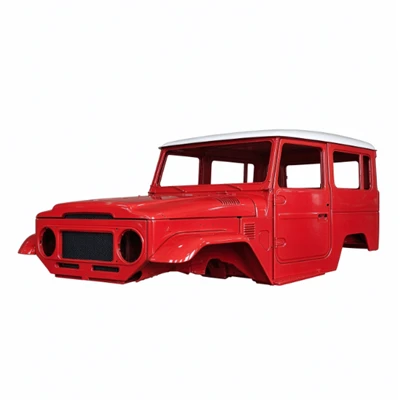
Walk past a parked car wearing an aggressive front splitter, deep side skirts, and a carbon-fiber wing, and you know in a second that its owner didn't buy it off the showroom floor. Body modification is how drivers take a factory car and make it unmistakably theirs - but it is also a world with real trade-offs: price, fitment, durability, and legality.
This guide walks through what auto body modify parts actually are, how to choose between OEM, aftermarket, and carbon fiber, which parts you can realistically install yourself, and what to check before you spend money or pick up a drill. No hype, no shortcuts - just what you need to know before you transform your car.
1. What Are Auto Body Modify Parts?
Auto body modify parts are any external components used to alter the appearance, aerodynamics, or structural profile of a vehicle's body. They go beyond simple cosmetic upgrades: the right parts can reshape a car's identity, improve airflow efficiency, and even lift its resale appeal.
2. Two Families of Parts: Aesthetic vs Functional
(1) Aesthetic parts focus on changing the vehicle's visual style - front and rear bumpers, side skirts, spoilers, and grilles. The goal is a more aggressive or personalized look.
(2) Functional parts deliver real aerodynamic benefits alongside visual changes, such as diffusers, canards, and wide-body fender flares. These are commonly found on track builds and high-performance street cars.
In practice, most builds mix both families: a functional splitter with an aesthetic grille, a track-grade diffuser under a street-driven bumper. The distinction matters because it changes what you should pay attention to - looks alone, or performance and safety as well.
3. OEM, Aftermarket, or Carbon Fiber - Which Should You Choose?
There are three main routes to buying body modification parts, and each changes the equation on price, fitment, weight, and durability.
(1) OEM parts offer a perfect match to the factory configuration, standard weight, factory-standard appearance, and high durability - at the highest price. They are the natural choice for conservative builds where the car should still look and behave stock.
(2) Aftermarket parts come in at a low-to-mid price point, but fitment requires verification before you buy. Appearance varies by manufacturer, weight is standard to slightly heavy, and durability is medium. For entry-level modifiers on a budget, they offer the fastest path to a different-looking car.
(3) Carbon fiber parts sit at the premium end: custom or verified fitment, extremely light weight, a high-end finish, and high durability - though they are impact-sensitive. They belong on advanced builds and track cars, where weight savings matter more than price.
So which should you pick? Answer three questions first: what is your budget, does the car see serious track time, and how much effort are you willing to put into verifying fitment? The answers usually point to one route.
4. Why Modify Your Car at All? Four Honest Reasons
(1) Stand out visually. Body modification takes your vehicle beyond its stock form and sets it apart from every factory configuration on the road.
(2) Improve aerodynamics. Well-chosen parts can reduce drag and increase high-speed stability - real benefits, not just looks.
(3) Increase resale value. Quality parts attract buyers in enthusiast markets and can lift the perceived value of the car.
(4) Express your identity. Of all the ways to personalize a car, body modification is the most direct extension of a driver's style and vision.
5. DIY or Professional Installation: Know Your Limits
Installation is one of the most critical steps when fitting auto body modify parts. Improper installation affects not only appearance but can also create safety risks. The honest question is not "can I do it" but "should I do it".
(1) Parts suitable for DIY (with basic mechanical skills):
Front grille - low difficulty; screwdriver and trim removal tool.
Front lip / splitter - low to medium; screwdriver, self-tapping screws, double-sided tape.
Side skirts - low to medium; screwdriver, adhesive gun, clips.
Trunk spoiler - low to medium; drill and bolt kit.
Lighting accessories - low to medium; screwdriver and electrical tape.
(2) Parts that require professional installation:
Wide body fender flares - require cutting factory sheet metal and precise alignment.
Carbon fiber hood - lightweight but fragile; hinge adjustment requires experience.
GT wing - mounting points must be accurately calculated for load distribution.
Full body kit - front and rear bumper removal involves sensors and wiring harnesses.
LED headlight assembly - requires professional wiring into the vehicle's electrical system.
6. The Pre-Installation Checklist
(1) Verify part numbers and fitment. Auto body modify parts vary by model year and trim level; always confirm compatibility before installing.
(2) Check surface preparation needs. Some parts require sanding and painting before fitment.
(3) Prepare the right tools. Avoid forcing factory clips or brackets during removal to protect the mounting points.
(4) Work with a partner. Large parts such as full body kits are much easier and safer to install with two people.
7. The Legal and Safety Layer
Understanding local regulations is an essential part of responsible modification - before you install anything, not after. Rules vary widely by region:
(1) United States (varies by state) - vehicle safety standards and emissions; commonly restricted are parts that obstruct license plates or alter lighting angles.
(2) European Union - ECE certification and pedestrian safety; commonly restricted are sharp protruding exterior parts and non-certified lighting.
(3) Japan - the vehicle inspection system (Shaken); commonly restricted are fender flares exceeding body width and ride-height-altering kits.
(4) China - registration amendment requirements; body color changes and exterior shape modifications require re-registration.
(5) Australia - ADR compliance standards; spoiler height and body width extension limits apply.
Always check with your local traffic authority for the latest rules before installing auto body modify parts. A part that is legal in one city can fail inspection - or worse, create a liability - in another.
8. After Installation: Safety Checks, Insurance, and Inspection
(1) Post-installation safety checks. Bumper replacements may affect parking sensors and collision warning systems. Replacement headlights must be re-aimed to avoid blinding oncoming drivers. Spoilers, wings, and wide-body parts must be firmly secured before highway driving. No part should obstruct the driver's forward or rear sightlines.
(2) Insurance. Many insurers require disclosure of modifications. Undeclared auto body modify parts may affect claim eligibility following an accident.
(3) Vehicle inspection. Parts that exceed factory specifications - such as wide-body kits extending beyond the wheel arches - may cause a vehicle to fail annual inspection.
(4) Keep the paperwork. Save purchase receipts and installation records for your parts, and keep them available to provide documentation when required.
9. FAQ: Five Questions Every Owner Asks
(1) Will auto body modify parts void my factory warranty? It depends on the modification and the dealership's policy. In general, if the installation of a part directly causes damage to an OEM component, warranty coverage for that part may be voided. Consult your authorized dealer before modifying, and keep complete installation records.
(2) Are carbon fiber parts worth the premium price? For owners focused on weight reduction or track performance, the weight savings and premium aesthetics justify the cost. For daily drivers, ABS or FRP parts offer a much better value-to-performance ratio.
(3) How do I identify high-quality parts? Look for a smooth surface finish with no bubbles or visible seam gaps, mounting holes that align precisely with OEM fitment points, consistent material density with no unusual odor, and clear installation instructions included with the product.
(4) Do auto body modify parts need to be painted after installation? Most parts are supplied in an unpainted finish - typically matte black or raw FRP. Color matching to the vehicle's factory paint requires professional preparation and spraying. Some premium parts come pre-painted, but for the most accurate match, professional refinishing is always recommended.
(5) How do I confirm an online part will fit my vehicle? Before purchasing, prepare the vehicle's make, model, and year; the specific trim level (such as Sport, Base, or Limited); and the factory bumper configuration, including sensor ports and tow hook openings. Provide these to the seller for confirmation, or cross-reference the product's compatibility chart to avoid buying an incompatible part.
10. The Bottom Line
Body modification rewards planning. Start with a clear vision of the look you want, choose parts that match your budget and how you actually use the car, install them properly - or pay someone who will - and never skip the legal and safety checks. Done right, auto body modify parts turn a factory car into something that looks, drives, and feels like yours. Done carelessly, they can cost you money, safety, and a failed inspection. The difference is in the preparation.
Have you modified your car's body? What was the first part you fitted - and would you choose it again? Share your experience in the comments.