Your Professional Sand Casting Supplier
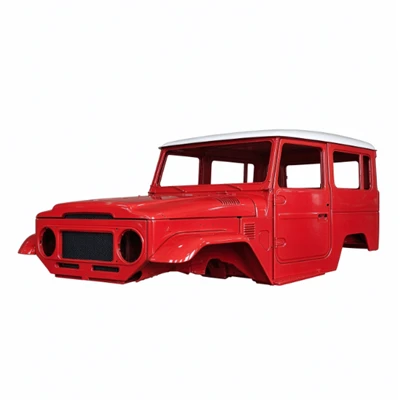
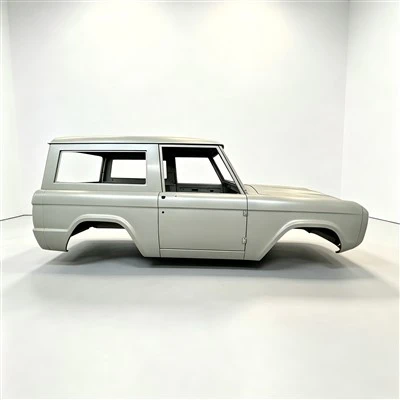
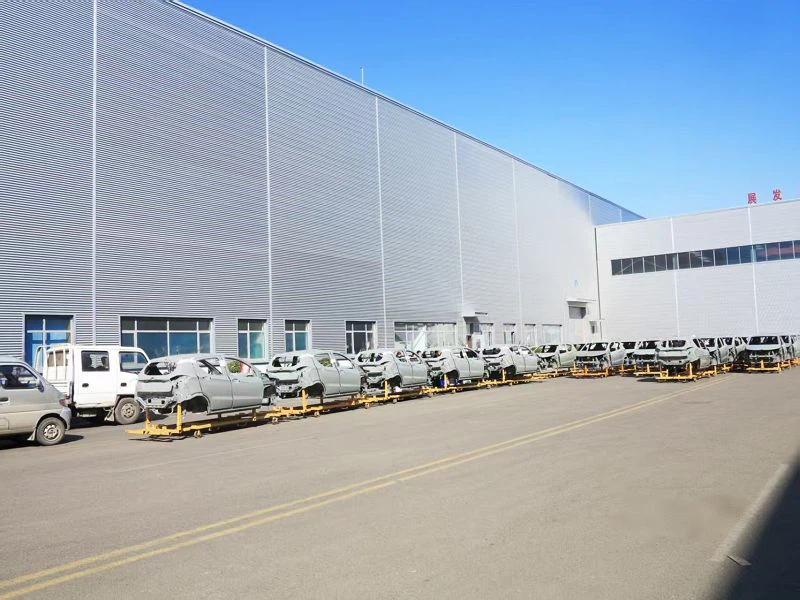
Qingdao Hailong Machinery Group Co., Ltd., is a national high-tech manufacturer specializing in automotive dies, stamping parts, fixtures, jigs, vehicle cabs, truck bodies, and special vehicles. Our products are widely used in automotive OEM, heavy industry, and transport equipment markets across Europe, America, the Middle East, Japan, and South Korea.
Full In-House Production Chain
We cover the full process from mold design, stamping, welding, coating to final assembly, ensuring stable quality and delivery control.
Strong Engineering Capability
With experienced technicians and advanced R&D systems, we provide precise design, process optimization, and technical support for complex projects.
Advanced Equipment
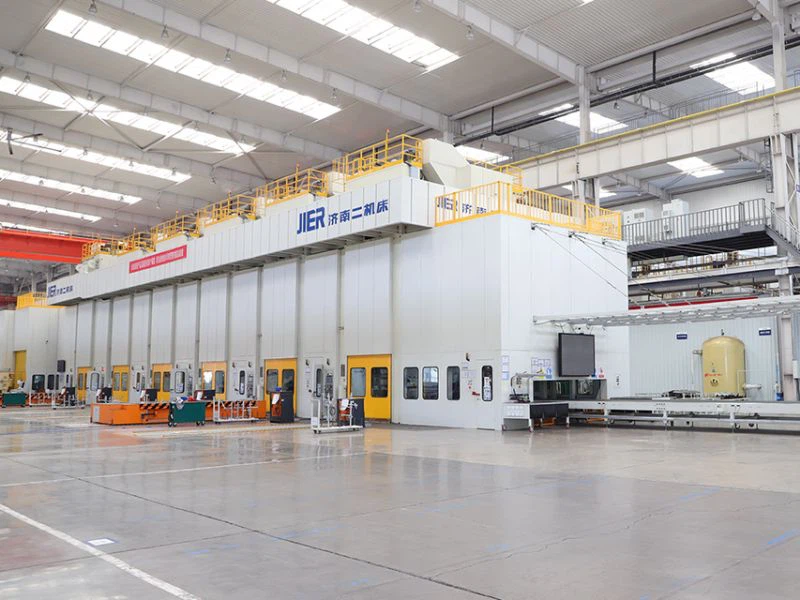
We operate large CNC machines, stamping lines, laser cutting systems, and over 50 testing devices to ensure accuracy and product reliability.
Certified Quality System
We are certified with IATF 16949, ISO9001, ISO14001, and ISO45001, ensuring compliance with global automotive and industrial standards.
-
![Centrifugal Pump Casing Parts]() Centrifugal Pump Casing PartsCentrifugal Pump Casing Parts | Premium Wear-Resistant & Corrosion-Resistant Pump Housing Components
-
![Milling Machine Worktable]() Milling Machine WorktableProfessional cast iron machine tool base blanks & semi-finished bases for milling and grinding machines. We focus on integral cast iron base casting and OEM custom processing, supplying standard
-
![Machine Columns]() Machine ColumnsOur cast oil pump impeller is a core precision component for oil pump systems, manufactured with advanced sand casting and precision machining processes. Adopting high-quality materials like ductile
-
![Machine Tool Bed Casting]() Machine Tool Bed CastingCast Iron Machine Tool Base | High Strength · Precision · Stable Performance. Core Position: Core bearing component designed for various machine tools, suitable for machining centers, milling
-
![Oil Pump Impeller Blank]() Oil Pump Impeller BlankOur cast oil pump impeller is a core precision component for oil pump systems, manufactured with advanced sand casting and precision machining processes. Adopting high-quality materials like ductile
-
![Machine Tool Bed]() Machine Tool BedCast Iron Machine Tool Base | High Strength · Precision · Stable Performance. Core Position: Core bearing component designed for various machine tools, suitable for machining centers, milling
-
![Machine Tool Column]() Machine Tool ColumnCasting Machine Tool Column | Heavy-duty Precision · High Rigidity · Industrial Adaptation. Core Position: A core structural component solution for CNC machine tools, machining centers, milling
-
![Machine Tool Worktable]() Machine Tool WorktableCast Iron Machine Tool Worktable | High Precision · Strong Load-bearing · Wear Resistant. Core Position: Core bearing and machining reference component for machine tools, providing a stable platform
-
![Centrifugal Pump Casing]() Centrifugal Pump CasingCast Centrifugal Pump Casing | Pressure-Resistant · Corrosion-Proof · High-Efficiency Flow Channel. Core Position: Core pressure-bearing component of centrifugal pumps, suitable for industrial water
-
![Valve Body Casting]() Valve Body CastingCast Valve Body | Pressure-Resistant · Corrosion-Proof · Precise Opening & Closing. Core Position: Core pressure-bearing and flow control component of valves, suitable for petrochemical, municipal
-
![Pipe Flange Fittings]() Pipe Flange FittingsCast Pipe Flange | Reliable Sealing · Pressure & Vibration Resistant · Easy Installation. Core Position: Core connecting component of pipeline systems, suitable for petrochemical, municipal pipe
-
![Pipe Elbow Fittings]() Pipe Elbow FittingsPipe Elbow | Corrosion-resistant · High Precision · Multi-scenario Fluid Conveyance Adaptation. Core Position: A key component solution for fluid conveyance in petroleum chemical, municipal


Specification
|
Material Grade |
HT250/HT300 Gray Iron; QT450/QT500 Ductile Iron; 304/316L Stainless Steel; Duplex Steel |
|
Flange Type |
Slip-on Flange, Weld Neck Flange, Blind Flange, Socket Weld Flange, etc. |
|
Nominal Diameter |
DN15-DN600 (Standard); DN800-DN1200 (Customization) |
|
Pressure Rating |
≤6.4MPa (Standard); 10.0-16.0MPa (High-pressure Customization) |
|
Working Temperature |
-40℃-150℃ (Standard); 150℃-350℃ (High-temperature Customization) |
|
Execution Standard |
GB/T 9112-2010, ANSI B16.5, DIN 2501, JIS B2220 |
|
Key Accuracy |
Sealing Surface Flatness ≤0.02mm/m; Bolt Hole Tolerance ≤±0.3mm; Thickness Error ≤±1mm |
|
Surface Treatment |
Shot blasting derusting + anti-rust paint (Standard); Pickling and passivation (Stainless Steel); Galvanizing/Rubber Lining (Anti-corrosion Customization) |
|
Service Life |
≥12 Years (Normal Working Conditions); ≥8 Years (Chemical Corrosion Conditions) |
Advantages of Sand Casting
Nearly Any Alloy
Sand castings can be readily produced in nearly any ferrous or non-ferrous alloy. Some other casting processes will melt and pour super-alloys in a vacuum, but that is not typically done as a sand casting.
01
Low Tooling Cost
The relatively low cost of tooling makes sand casting a process of choice for lower volume needs. Patterns do wear so the material selected for the pattern (typically wood, plastic, or metal) will depend on the expected usage quantity of the part being produced.
02
Versatile – Size, Weight, Shape
Sand castings can be produced in weights from ounces to 200+ tons. Through the use of cores, internal structures can be cast in place. Shaped parts rely mainly on the imagination of the designer.
03
Any Quantity
Because the tooling cost can be minimal, sand casting may be appropriate for a single piece run. Alternatively, there are automotive components that are produced using this process, so it may also be used in high volume applications.
04
Timing
The casting process itself may be quicker than some others, like investment casting, but it is important to consider the post-casting processes like machining that may be required when computing total lead times.
05
Applications of Sand Casting

Automotive Industry
In automotive manufacturing, sand casting is widely used for producing critical components such as engine blocks, cylinder heads, crankshafts, and transmission housings.
Mechanical Engineering & Aerospace
The mechanical engineering sector relies on sand casting for producing machine tool bases, pump bodies, and valve housings, ensuring high strength and wear resistance for stable operation under heavy loads.
Energy & Infrastructure
In wind power generation, sand-cast hubs and bases are designed to endure wind loads for over 20 years. In hydroelectric power, turbine blades formed through sand casting improve hydrodynamic efficiency by over 15%.
Rail & Shipbuilding Industry
In the railway industry, sand-cast braking system components and wheels must pass 800 MPa strength tests, with their dense internal structure preventing fatigue cracks.
Agricultural Machinery & Art Industry
Tractor transmission housings and other agricultural components manufactured through sand casting reduce costs by 30% while maintaining high load capacity.
Extended Applications
In mining equipment, sand-cast crusher hammers made from high-chromium cast iron increase wear resistance threefold. The home appliance industry utilizes sand casting for components like washing machine counterweights, optimizing production cycles.

Types of Sand Used in Sand Casting
Dry Sand
Dry sand is a specific type of molding sand that uses clay (either kaolinite or bentonite) with very little water as a binding agent. This binder creates a mold that retains its pattern-rammed shape and withstands the pouring of molten metal without collapsing or causing defects in the casting.
Resin Sand
Resin sand, also referred to as resin-coated sand or furan sand, is a type of molding sand used in sand casting processes. Furan refers to the use of furfuryl alcohol resin. It is a mixture of silica sand or other aggregate materials and a synthetic resin binder that bonds sand grains into a coherent mass, creating a stable and robust mold for casting metal parts.
Sodium Silicate or Water Glass
Sodium silicate or water glass casting is a specialized sand casting process that exploits a sodium silicate binder to integrate the sand for mold formation. The mold is formed in the traditional way and is dried and cured to create a more precise structure than green-sand casts.
Green Sand
Green-sand (or greensand) casting is a widely used process for manufacturing metal parts. The green appearance of the sand is due to the presence of moisture, bentonite clay, and sea coal. Sea coal is powdered bituminous coal that coincidentally washes up on beaches and is “naturally” present in beach sand as the first casting medium.
Sand Casting Process Steps
Creating the Pattern
The first step in the sand casting process is to create the pattern. Typical materials used include wood, plaster, plastic and metal, but if the pattern calls for specific properties, other materials may be used instead. The number of castings and the required specifications of the finished casting determine which material to select for creating the pattern.
Building the Mold
The second step in sand casting is to create the mold using a special type of sand with refractory properties. Refractory materials are those that can withstand extremely high temperatures. These characteristics allow the sand to dry out for easy part removal and ensure the mold material isn’t affected by the heat of the molten metal.
Pouring the Metal/Alloy
The third step is to pour the metal or alloy into the mold. This is the most dangerous step to sand casting, so the caster needs to follow all of the adequate safety precautions, such as wearing protective equipment and removing any hazards. The molten metal is poured slowly and carefully into the static mold.
Removing the Part Through Shakeout
The fourth step to sand casting is the shakeout process, in which the sand gets broken down and removed. The part must completely freeze before unmolding. If it’s removed too soon, a chemical reaction may occur between the surface of the metal and the cool air.
Finishing and Cleaning
Lastly, there are a few finishing touches to perform. The caster removes runners, gates and liners from the casting and starts post-processing work, like sandblasting or grinding, if it’s needed. These steps can remove residual sand left on the part and remove extra metal. Meeting certain final dimensions or tolerances will require more detailed machining.
Ordering Process
Inquiry - quotation - communication - order confirming - deposit payment - production - testing and debugging - balance payment - packing - delivery - customer receiving - after service.
Packaging and Shipping
|
Packaging |
Wrapped with anti - rust paper, bubble film, and packed in export cartons or wooden cases. |
|
Shipping |
Shipping by sea, by air, by express are acceptable. According to your requirements. |
Our Factory




Our Certificates
IATF 16949, ISO9001, ENVIRONMENTAL MANAGEMENT SYSTEM CERTIFICATION, NSYSTEM CERTIFICATION


FAQ
Qingdao Hailong Machinery Technology Co., Ltd. is one of the most experienced sand casting manufacturers and suppliers in China, also supports customized service. Please feel free to buy discount sand casting made in China here from our factory. Contact us for pricelist.
pump volute casing, Fan Impeller Parts, Machine Tool BedPopular Products