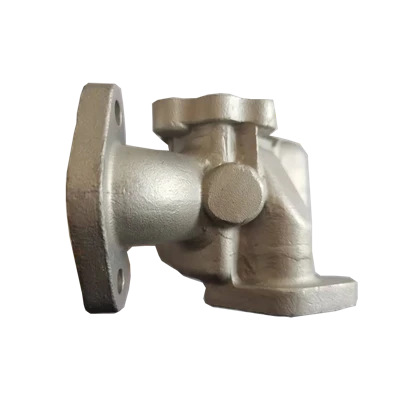
Your Professional Mould Supplier
Qingdao Hailong Machinery Group Co., Ltd., is a national high-tech manufacturer specializing in automotive dies, stamping parts, fixtures, jigs, vehicle cabs, truck bodies, and special vehicles. Our products are widely used in automotive OEM, heavy industry, and transport equipment markets across Europe, America, the Middle East, Japan, and South Korea.
Full In-House Production Chain
We cover the full process from mold design, stamping, welding, coating to final assembly, ensuring stable quality and delivery control.
Strong Engineering Capability
With experienced technicians and advanced R&D systems, we provide precise design, process optimization, and technical support for complex projects.
Advanced Equipment
We operate large CNC machines, stamping lines, laser cutting systems, and over 50 testing devices to ensure accuracy and product reliability.
Certified Quality System
We are certified with IATF 16949, ISO9001, ISO14001, and ISO45001, ensuring compliance with global automotive and industrial standards.
-
![Sand Casting Molds]() Sand Casting MoldsSand Casting Mold | Complex Adaptation · Cost Optimization · Wear Resistance · Flexible Customization. Core Position: Core forming tool for sand casting process, suitable for producing complex
Sand Casting MoldsSand Casting Mold | Complex Adaptation · Cost Optimization · Wear Resistance · Flexible Customization. Core Position: Core forming tool for sand casting process, suitable for producing complex -
![Die Casting Molds]() Die Casting MoldsDie Casting Mold | High Pressure & Speed · High Precision · Long Life · Mass Production Adaptation. Core Position: Core forming tool for die casting process, suitable for mass production of
Die Casting MoldsDie Casting Mold | High Pressure & Speed · High Precision · Long Life · Mass Production Adaptation. Core Position: Core forming tool for die casting process, suitable for mass production of -
![Lost Foam Casting Molds]() Lost Foam Casting MoldsLost Foam Casting Mold | Complex Forming · Near-net Shape · Low Cost · High Adaptability. Core Position: Core tool for lost foam casting process, suitable for producing complex castings of various
Lost Foam Casting MoldsLost Foam Casting Mold | Complex Forming · Near-net Shape · Low Cost · High Adaptability. Core Position: Core tool for lost foam casting process, suitable for producing complex castings of various -
![Blanking Dies]() Blanking DiesBlanking Die | High Precision Cutting · Efficient Mass Production · Wear Resistance · Multi-material Adaptation. Core Position: Core forming tool for metal sheet blanking process, suitable for mass
Blanking DiesBlanking Die | High Precision Cutting · Efficient Mass Production · Wear Resistance · Multi-material Adaptation. Core Position: Core forming tool for metal sheet blanking process, suitable for mass -
![Bending Dies]() Bending DiesBending Die | Precision Forming · Anti-rebound · Efficient Mass Production · Multi-shape Adaptation. Core Position: Core forming tool for metal sheet bending process, suitable for mass production of
Bending DiesBending Die | Precision Forming · Anti-rebound · Efficient Mass Production · Multi-shape Adaptation. Core Position: Core forming tool for metal sheet bending process, suitable for mass production of -
![Stretching Dies]() Stretching DiesStretching Mold | High-precision Molding · Wear Resistance & Durability · Multi-material Adaptation. Core Position: Customized for stretching molding of metal/non-metal materials, adopting
Stretching DiesStretching Mold | High-precision Molding · Wear Resistance & Durability · Multi-material Adaptation. Core Position: Customized for stretching molding of metal/non-metal materials, adopting -
![Progressive Dies]() Progressive DiesProgressive Die | Multi-process Integration · High-efficiency Mass Production · High-precision Consistency. Core Position: Customized for continuous forming of metal thin plates, adopting modular
Progressive DiesProgressive Die | Multi-process Integration · High-efficiency Mass Production · High-precision Consistency. Core Position: Customized for continuous forming of metal thin plates, adopting modular -
![Automotive Molds]() Automotive MoldsAutomotive Mold | Automotive-grade Precision · Wear Resistance & Impact Resistance · Mass Production Adaptation. Core Position: Customized for full-scenario component molding in the automotive
Automotive MoldsAutomotive Mold | Automotive-grade Precision · Wear Resistance & Impact Resistance · Mass Production Adaptation. Core Position: Customized for full-scenario component molding in the automotive -
![Two Plate Molds]() Two Plate MoldsAutomotive Injection Two-plate Mold | Automotive-grade Efficient Molding · Precision Demolding · Mass Production Adaptation. Core Position: An exclusive two-plate mold solution customized for
Two Plate MoldsAutomotive Injection Two-plate Mold | Automotive-grade Efficient Molding · Precision Demolding · Mass Production Adaptation. Core Position: An exclusive two-plate mold solution customized for -
![Three Plate Molds]() Three Plate MoldsAutomotive Injection Three-plate Mold | Automotive-grade Precision Molding · Gate-free · Accurate Adaptation. Core Position: An exclusive three-plate mold solution customized for small precision
Three Plate MoldsAutomotive Injection Three-plate Mold | Automotive-grade Precision Molding · Gate-free · Accurate Adaptation. Core Position: An exclusive three-plate mold solution customized for small precision -
![Hot Runner Molds]() Hot Runner MoldsInjection Molding Hot Runner Mold | Multi-industry Efficient Molding · Gate-free · Mass Stability. Core Position: A batch injection molding solution covering automotive, electronics, medical,
Hot Runner MoldsInjection Molding Hot Runner Mold | Multi-industry Efficient Molding · Gate-free · Mass Stability. Core Position: A batch injection molding solution covering automotive, electronics, medical, -
![Two Color Injection Mold]() Two Color Injection MoldTwo-color Injection Mold | Multi-material Integrated Molding · Efficient & Precise · Multi-industry Adaptation. Core Position: A two-color/multi-color injection molding solution covering automotive,
Two Color Injection MoldTwo-color Injection Mold | Multi-material Integrated Molding · Efficient & Precise · Multi-industry Adaptation. Core Position: A two-color/multi-color injection molding solution covering automotive,


Specification
|
Mold Material |
Wooden Mold, Aluminum Alloy (A356/ADC12), Cast Iron (HT200/HT250), Resin Mold, etc. |
|
Adaptable Casting Material |
Gray Iron, Ductile Iron, Aluminum Alloy, Carbon Steel, Copper Alloy, etc. |
|
Key Accuracy |
Cavity Dimensional Tolerance ≤±0.1mm/m;Surface Roughness Ra≤3.2μm;Mold Manufacturing Precision ±0.05mm |
|
Service Life |
Wooden Mold ≥500 Cycles;Aluminum Alloy Mold ≥5000 Cycles;Cast Iron Mold ≥10000 Cycles |
|
Temperature Resistance Range |
200℃-800℃ (Adjusted according to mold material) |
|
Adaptable Casting Weight |
0.5kg-500kg (Customizable) |
|
Customization Range |
Cavity Structure, Parting Surface, Gating System, Exhaust System can be customized |
Types of Mould
The moulds produced by our company mainly include the following types:
Casting Mould
Casting mold is a hollow cavity or negative form used to shape liquid or molten materials. When the material is poured or injected into the mold and hardens, it takes the exact reverse shape of that cavity to create a solid replica.
Stamping Mould
Stamping mould, also known as a stamping die, is a specialized precision tool installed in a press to cut, bend, or shape sheet materials into specific parts.
Plastic Injection Mould
Plastic injection mold (often called a tool or die) is a custom-built, highly durable metal tool used to manufacture identical plastic parts in high volumes.
Advantages of Mould
It offers complex shapes with higher tolerance
Production molds allow the production of large volumes of uniform, complex parts. However, achieving precise parts requires careful attention to several key factors, such as vent and gate placements, weld lines, corner transitions, wall thickness, and rib and boss design.
Its production only takes seconds
The process of 3D printing or CNC machining a single part can be time-consuming, taking minutes or even hours. In contrast, the injection molding cycle is much quicker, typically lasting only 10 to 60 seconds. Even if the molding of a complex geometry takes around 120 seconds, it is still possible to mold several smaller parts in one larger mold, maximizing efficiency and reducing costs.


It provides high reliability and repeatability
When it comes to mass-producing identical parts, plastic injection molding offers a cost-effective and efficient solution. With its high repeatability, a single mold can be used to produce thousands of parts before it requires maintenance. The longevity of mold is typically between 5,000 to 10,000 cycles, while a full-scale steel production mold can last for over 100,000 cycles, making it a durable option for large-scale production.
The excess plastics can be recycled
Lastly, production molding is known for being a highly efficient manufacturing process, producing less post-production waste compared to other methods. However, there will still be some excess scraps generated during the process. Fortunately, these scraps can be easily recycled through a process known as regrinding, where the sprues, runners, or other leftover plastic parts are melted down and reused.
Applications of Mould
Automotive Industry
Injection moulds create dashboards, bumpers, and intricate parts with high precision, contributing to safety and performance.
01
Medical Devices
Moulds are used to manufacture sterile, reliable plastic components for devices that save lives.
02
Humanitarian Relief
Rapidly produced modular housing components made from moulded plastics and composites are critical post-disaster.
03
Consumer Electronics
Lightweight, precision moulded casings protect cutting-edge gadgets while minimizing waste.
04
Construction
Concrete moulds enable prefab building elements, promoting fast, affordable housing solutions.
05
Common Mould Materials
Silicone
Silicone molds are prized for their flexibility, durability, and ability to withstand a range of temperatures. They are commonly used in the production of intricate and detailed parts, as they can capture fine details with precision.
Rubber (Natural and Synthetic)
Rubber molds, made from natural or synthetic rubber materials, offer excellent elasticity and flexibility. They are well-suited for intricate and complex shapes and can be used for both compression and injection molding processes.
Metal Alloys (Aluminum, Steel)
Metal alloys, such as aluminum and steel, are preferred for their durability and longevity. These molds are highly resistant to wear and tear, making them suitable for high-volume production processes.
Epoxy Resin
Epoxy resin molds are renowned for their ability to capture intricate details and produce smooth surfaces. They are commonly used in the creation of prototypes, jewelry, and decorative items.
Polyurethane
Polyurethane molds provide a versatile solution for a range of manufacturing applications. They exhibit good flexibility, tear resistance, and durability. Polyurethane molds are often used in the production of rubber parts and prototypes.
Precautions for Mould Usage
Handle moulds carefully
Moulds can be heavy and awkward to handle, so use proper lifting techniques. Avoid dropping or banging the moulds, as this can damage them and increase the risk of accidents.
Inspect the moulds
Before using a mould, inspect it for any signs of damage or wear. Look for cracks, chips, or other defects that could affect the quality of the moulded parts or pose a safety risk.
Clean the moulds regularly
Dirty moulds can cause problems with the moulding process and increase the risk of contamination. Clean the moulds regularly using the recommended cleaning agents and procedures.
Store the moulds properly
When not in use, store the moulds in a clean, dry place. Make sure they are properly labeled and organized to prevent damage and confusion.
Customizable Options
|
Mold Material |
P20 / H13 / S136 / NAK80 / 718 Steel |
|
Cavity Number |
Single Cavity / Multi Cavity |
|
Mold Life |
100,000 – 1,000,000 Shots |
|
Surface Finish |
Polish / Texture / Mirror Finish |
|
Tolerance |
±0.01mm – ±0.05mm |
|
Logo Service |
Custom Marking Available |
Packaging and Shipping
|
Packaging |
Wrapped with anti - rust paper, bubble film, and packed in export cartons or wooden cases. |
|
Shipping |
Shipping by sea, by air, by express are acceptable. According to your requirements. |
Our Factory


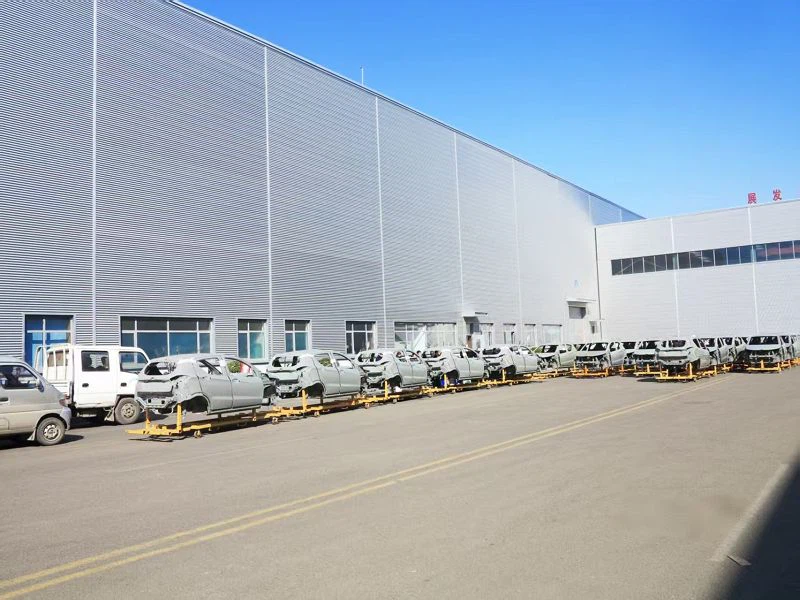
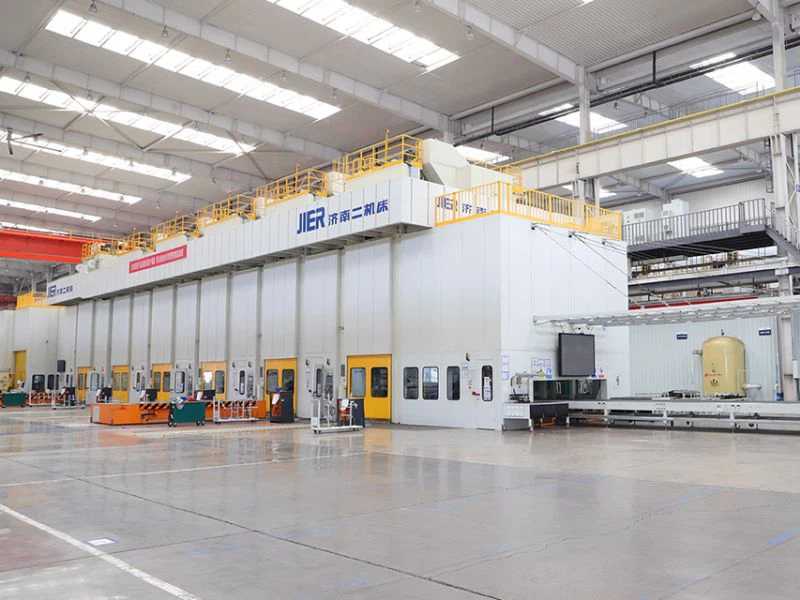


Our Certificates
IATF 16949, ISO9001, ENVIRONMENTAL MANAGEMENT SYSTEM CERTIFICATION, NSYSTEM CERTIFICATION


FAQ
Qingdao Hailong Machinery Technology Co., Ltd. is one of the most experienced mould manufacturers and suppliers in China, also supports customized service. Please feel free to buy discount mould made in China here from our factory. Contact us for pricelist.
Popular Products