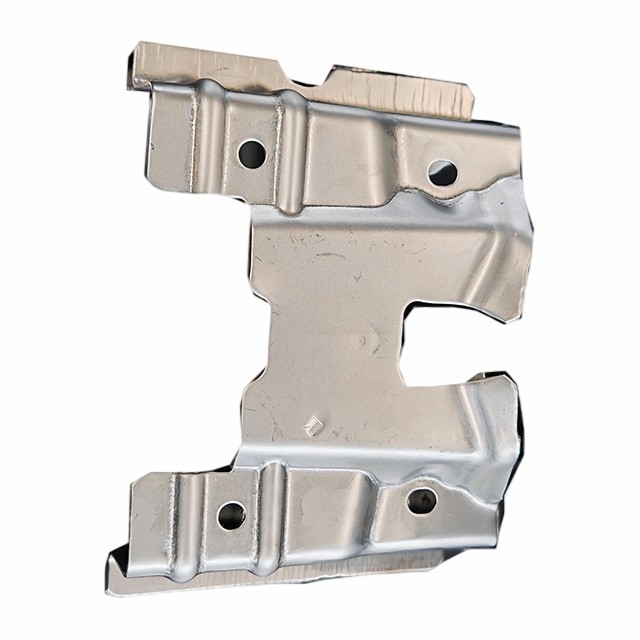
Molds, often referred to as the "mother of industry," play an indispensable role in modern manufacturing, with applications covering almost all industries requiring mass production and high-precision parts manufacturing. The following are the main application areas and specific scenarios for molds:
1. Automobile Manufacturing
The automotive industry is one of the most widespread and demanding sectors for mold applications, with over 95% of automotive parts relying on mold forming.
Stamping dies: Used for forming metal parts such as body panels (e.g., doors, hoods), chassis structural components, and brackets.
Injection molds: Used for producing plastic parts such as dashboards, bumpers, door handles, and interior trim.
Die-casting molds: Used for manufacturing aluminum alloy or magnesium alloy parts such as engine blocks, gearbox housings, and battery pack housings.
Development Trends: The demand for integrated die-casting molds and battery box molds is increasing due to the growing use of lightweight materials (such as high-strength steel and carbon fiber), which place higher demands on mold design.
2. Electronics and Communication Equipment:
Electronic products demand extremely high precision and consistency, making molds crucial for miniaturization and integrated production.
Injection Molds: Used for mobile phone casings, laptop structural components, connectors, etc.
Semiconductor Packaging Molds: Graphite molds are used for IC chip packaging, ensuring heat dissipation and structural stability.
In-Mold Electronics (IME): Directly embedding circuitry into the internal mold to achieve functional integration.
3. Aerospace:
This field has stringent requirements for material properties and structural precision, requiring molds to withstand challenges such as high temperatures, high pressures, and lightweight construction.
Thermoforming Molds: Used for molding titanium alloy and high-temperature alloy engine components.
Composite Material Molds: Molding molds for carbon fiber reinforced resin matrix composite components (such as wings and fuselages), often equipped with heating systems to control the curing process.