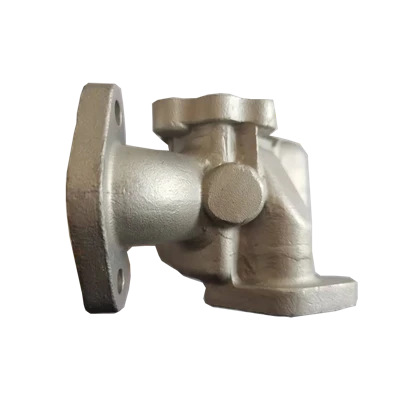
Choosing the right casting method requires comprehensive consideration of factors such as casting material, structural complexity, production volume, precision requirements, and cost control. Below is a comparison of mainstream casting methods and selection recommendations:
Selection by Production Volume
Single piece or small batch production: Sand casting is recommended. It has low mold costs, flexible processes, and is suitable for complex-shaped castings, widely used in machinery, automotive, and other fields.
Mass production: Die casting or metal mold casting is preferred. Although mold investment is high, the cost per piece is low and efficiency is high, suitable for standardized parts such as automotive wheel hubs and engine brackets.
Selection by Casting Structure and Precision Requirements
Complex shapes and multiple internal cavities: Investment casting (lost-wax casting) is recommended, achieving millimeter-level precision, suitable for aerospace parts and precision instrument components.
Thin-walled or large-size castings: Low-pressure casting is superior, with smooth filling and dense structure, commonly used for key components such as automotive cylinder heads and wheel hubs.
Tubular and ring-shaped castings:
Centrifugal casting is the preferred method, as it eliminates the need for a core and produces high-density castings, widely used for cast iron pipes, cylinder liners, etc.
Selection based on material properties:
Aluminum alloys and magnesium alloys: Can be die-casting, low-pressure casting, or metal mold casting, balancing lightweight and strength requirements.
Cast iron and cast steel: Primarily use sand casting, especially suitable for large workpieces such as machine tool beds and valve bodies.
High-temperature alloys or special materials: Vacuum die casting or precision casting is recommended to reduce oxidation and porosity defects.