The cost for an Original Equipment Manufacturer (OEM) like Freightliner, Volvo, or Ford to build a commercial truck varies significantly based on the truck's weight class, engine specs, and technology.
On average, a heavy-duty Class 8 semi-truck costs an OEM roughly $110,000 to $140,000 to produce (retailing between $160,000 and $220,000+), while a medium-duty Class 6 truck costs $45,000 to $65,000 to manufacture.
Here is a breakdown of where that manufacturing budget actually goes.
Estimated OEM Bill of Materials (BOM) Breakdown (Class 8 Semi-Truck)
| Cost Component | Average OEM Cost | Percentage of Total | Key Factors & Suppliers |
| Powertrain (Engine & Transmission) | $35,000 – $48,000 | ~32% | High-displacement diesel engines (e.g., Cummins, Detroit Diesel), emissions aftertreatment (SCR/DPF), and automated manual transmissions. |
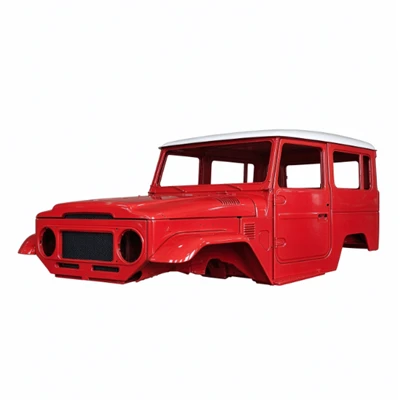
| Cab & Interior Assembly | $20,000 – $28,000 | ~19% | Stamped aluminum/composite shell, seats, HVAC, wiring harnesses, digital dash electronics, and sleeper berth amenities. |
| Frame, Axles & Suspension | $18,000 – $24,000 | ~16% | Heavy-gauge steel frame rails, front steering axles, tandem rear drive axles, and air-ride suspension systems. |
| Tires, Wheels & Brakes | $10,000 – $14,000 | ~9% | 10 high-durability commercial tires, aluminum/steel wheels, and air disc brake systems. |
| Direct Assembly Labor | $8,000 – $12,000 | ~8% | Highly automated robotic welding/painting combined with manual assembly line labor. |
| R&D, Tooling & Overhead | $10,000 – $15,000 | ~10% | Amortized costs for chassis press dies, crash testing, aerodynamics tuning, and factory operating costs. |
| Electronics & Safety Systems | $6,000 – $9,000 | ~6% | Radar units, lane-departure cameras, collision-mitigation ECUs, and telematics hardware. |
| Total OEM Build Cost | $107,000 – $150,000 | 100% | (Applies to bare chassis cab before dealer markup & upfitting) |
The 4 Main Drivers of Commercial Truck Manufacturing Costs
1. Emissions Aftertreatment and Powertrain (The Largest Expense)
The engine and its accompanying emissions system make up nearly a third of the entire vehicle cost. Modern diesel engines must meet strict EPA/Euro standards, requiring complex Selective Catalytic Reduction (SCR) units, Diesel Particulate Filters (DPF), and precious metals (like platinum and palladium) inside the catalytic converters.
2. Raw Materials and Structural Weight
Commercial trucks rely heavily on high-strength structural steel for frame rails and lightweight aluminum for cabs and fuel tanks to maximize payload limits. Fluctuations in global steel and aluminum spot prices directly impact the OEM's bottom line per unit.
3. Advanced Driver Assistance Systems (ADAS) & Electronics
Modern trucks are essentially computers on wheels. OEM builds now routinely incorporate radar-based active braking, blind-spot monitoring, electronic stability control, and telematics gateways that stream real-time diagnostic data back to fleet managers.
4. Scale and Production Speed
Unlike high-volume passenger cars (where a single factory line might pump out 300,000 sedans a year), commercial truck lines produce significantly lower volumes with far more customization options (e.g., varying wheelbases, gear ratios, and fuel tank sizes). This lower volume means OEMs have less leverage to amortize fixed tooling and R&D costs over millions of units.
Margins: What Does the Manufacturer Make?
Gross Margin: OEMs typically operate on a gross profit margin of 12% to 18% per vehicle.
Net Profit Margin: After accounting for corporate overhead, warranty reserves, dealership incentives, and freight distribution, the net profit margin per truck usually lands between 5% and 8%.